


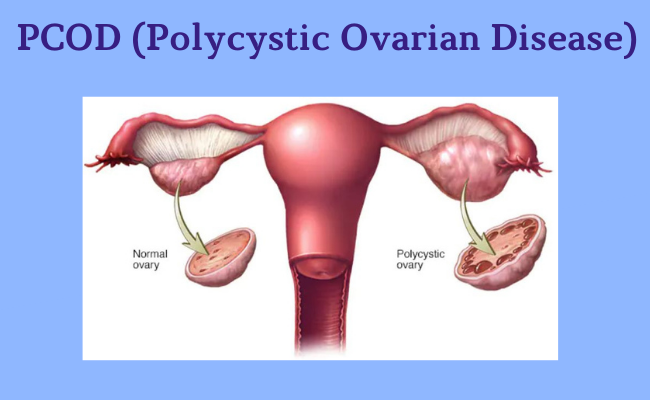
Irregular periods, persistent acne, unexpected weight changes, and increased facial hair can sometimes be signs of a hormonal imbalance. Many women experience these symptoms for months before seeking medical advice, assuming they are caused by stress or changes in routine. However, when these concerns continue, a medical evaluation can help identify the underlying cause.
If you are searching for PCOD treatment in Sector 6 Dwarka, consulting a qualified gynaecologist can help you understand your symptoms and explore suitable management options.
Polycystic ovarian disease (PCOD) is a commonly used term for a condition associated with hormonal and ovulatory changes. It is often discussed alongside polycystic ovary syndrome (PCOS), although the terms are not always used identically in clinical practice. Treatment depends on the individual's symptoms, medical history, and reproductive goals.
What Is PCOD?
PCOD is commonly associated with irregular ovulation and hormonal changes that may affect menstrual cycles, skin, hair growth, and fertility. Some women experience noticeable symptoms, while others may have only mild changes.
Possible symptoms include:
-
Irregular, delayed, or missed periods.
-
Acne or oily skin.
-
Increased facial or body hair.
-
Thinning hair on the scalp.
-
Weight gain or difficulty managing weight.
-
Difficulty conceiving because of irregular ovulation.
Having one or more of these symptoms does not automatically mean you have PCOD. Other conditions, including thyroid disorders and certain hormonal problems, can cause similar changes. A healthcare professional can help determine the appropriate diagnosis.
When Should You Seek PCOD Treatment?
Consider consulting a gynaecologist if your menstrual cycle becomes consistently irregular, you miss periods without a clear explanation, or you notice persistent changes in skin or hair growth.
Medical advice is particularly important if you are trying to conceive and suspect that irregular ovulation may be affecting your chances of pregnancy.
You should also discuss prolonged gaps between periods with your doctor. Depending on the cause, going for extended periods without menstruation can increase the risk of excessive thickening of the uterine lining.
Seeking help early does not necessarily mean you will need long-term medication. Sometimes, lifestyle adjustments and targeted treatment can help manage symptoms effectively.
How Is PCOD Diagnosed?
There is no single test that confirms PCOD in every patient. Your doctor will consider your symptoms, medical history, examination findings, and relevant investigations.
Medical History and Physical Assessment
Your gynaecologist may ask about your menstrual cycle, weight changes, acne, hair growth, medications, and family history. Blood pressure and other health measurements may also be reviewed.
Hormonal and Blood Tests
Blood tests may be recommended to assess hormone levels and rule out other conditions. Depending on your symptoms, your doctor may also evaluate blood glucose, cholesterol, and other metabolic health indicators.
Ultrasound Examination
A pelvic ultrasound may help assess the ovaries and reproductive organs when clinically indicated. However, an ultrasound alone does not establish PCOD or PCOS in every case. Diagnosis depends on the overall clinical picture.
Treatment Options for PCOD
There is no single treatment suitable for every woman. A personalised plan focuses on the symptoms that matter most to you and your longer-term health goals.
1. Lifestyle and Nutrition Management
Balanced meals, regular physical activity, adequate sleep, and sustainable weight management can support metabolic and hormonal health. For women who are overweight, even modest weight loss may improve some symptoms and menstrual regularity.
However, PCOD can affect women of different body sizes, and weight loss is not a universal requirement for treatment.
2. Medication for Menstrual Irregularities
Depending on your medical history and needs, a doctor may recommend hormonal contraceptives or progestogen-based treatment to regulate bleeding and protect the uterine lining.
The appropriate option depends on factors such as your symptoms, medical eligibility, and whether you are planning a pregnancy.
3. Acne and Excess Hair Growth Management
Persistent acne and unwanted hair growth can affect confidence and emotional well-being. Treatment may include appropriate skin care, dermatological treatment, or medicines that address hormonal symptoms.
Some medicines are unsuitable during pregnancy, so it is important to discuss contraception and pregnancy plans with your doctor.
4. Fertility Support
Women with PCOD may experience difficulty conceiving because of irregular or absent ovulation. If pregnancy is your goal, a specialist can evaluate your fertility and discuss ovulation-inducing medication or other appropriate treatments.
PCOD does not automatically mean infertility. Many women with the condition conceive naturally or with medical support.
Choosing a Clinic for PCOD Treatment in Sector 6 Dwarka
When choosing a provider for PCOD treatment in Sector 6 Dwarka, look for a qualified gynaecologist who considers your overall health rather than focusing on just one symptom.
Consider whether the clinic offers appropriate diagnostic evaluation, explains the purpose of recommended tests, discusses treatment alternatives, and provides follow-up care. Avoid providers who promise a permanent cure or recommend unnecessary tests and supplements without a clear medical reason.
For example, a woman experiencing irregular periods and acne may assume that both problems need separate treatments. A proper assessment may identify a shared hormonal cause and help the doctor develop a coordinated management plan.
Take the First Step Towards Better Hormonal Health
PCOD management is often a continuing process rather than a one-time treatment. Symptoms can change with age, lifestyle, and reproductive goals, so regular follow-up may be useful.
If you are experiencing irregular periods, acne, unwanted hair growth, or fertility concerns, consider consulting a qualified gynaecologist in Sector 6 Dwarka. An individualised assessment can help you understand your condition and choose appropriate next steps.
Frequently Asked Questions
1. Can PCOD be cured permanently?
There is no guaranteed permanent cure. However, symptoms can often be managed effectively through lifestyle changes, medication, and appropriate medical follow-up.
2. Can women with PCOD get pregnant?
Yes. Many women with PCOD conceive naturally or with treatment. If ovulation is irregular, a fertility specialist can discuss suitable options.
3. Does PCOD always cause weight gain?
No. PCOD can affect women of different body sizes. Weight gain may occur in some individuals, but it is not present in everyone.
- PCOD Treatment in Dwarka
- PCOD Treatment in Sector 12 Dwarka
- PCOD Treatment in Sector 5 Dwarka
- PCOD Treatment in Sector 6 Dwarka


