


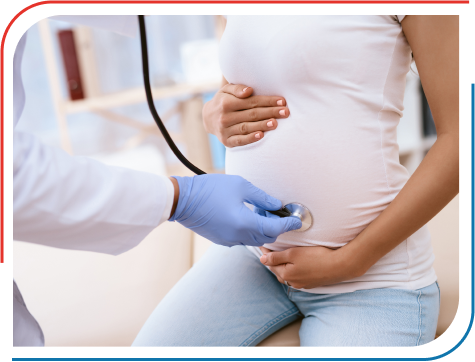
Pregnancy can bring unexpected challenges, especially when an existing medical condition or a new complication requires additional attention. Being told that your pregnancy is considered high risk can feel worrying, but it does not automatically mean something will go wrong. With appropriate medical supervision and timely monitoring, many women with high-risk pregnancies deliver healthy babies.
If you are searching for high risk pregnancy treatment in Vikaspuri, consulting a qualified obstetrician can help you understand your specific risk factors and develop a suitable care plan.
High-risk pregnancy care focuses on identifying potential complications, monitoring the health of both mother and baby, and making informed decisions throughout pregnancy and delivery.
What Is a High-Risk Pregnancy?
A high-risk pregnancy is one in which the mother, baby, or both may have a greater chance of developing health complications. These risks can arise before conception, develop during pregnancy, or be associated with the mother's previous pregnancy history.
Some high-risk pregnancies require only additional appointments and tests, while others may need specialist care or hospital-based monitoring.
Factors that may increase pregnancy risks include:
-
High blood pressure or diabetes.
-
Thyroid disorders or certain autoimmune conditions.
-
Pregnancy at an older maternal age.
-
Multiple pregnancy, such as twins or triplets.
-
A history of premature birth or pregnancy complications.
-
Certain abnormalities affecting the placenta or fetal growth.
-
Severe anaemia or other significant medical conditions.
Having one of these factors does not necessarily mean complications will occur. Your obstetrician will assess your individual circumstances before deciding how closely your pregnancy should be monitored.
When Should You Seek High-Risk Pregnancy Care?
If you have a medical condition before pregnancy, a history of complications, or concerns about your current pregnancy, arrange a consultation with an obstetrician.
You may need additional monitoring if you develop high blood pressure, elevated blood sugar, concerns about fetal growth, or other pregnancy-related complications.
Certain symptoms require urgent medical assessment rather than waiting for a routine appointment. These include:
-
Heavy vaginal bleeding.
-
Severe or persistent abdominal pain.
-
Severe headache accompanied by visual disturbances.
-
Difficulty breathing or chest pain.
-
Fainting or seizures.
-
A noticeable reduction in your baby's usual movements later in pregnancy.
Prompt assessment can help doctors identify problems and decide whether treatment or closer observation is necessary.
What Does High-Risk Pregnancy Treatment Involve?
Treatment is not the same for every patient. Your obstetrician will recommend investigations and monitoring based on your medical history, pregnancy stage, and specific risk factors.
1. Detailed Antenatal Assessment
The first step often involves reviewing your previous pregnancies, existing medical conditions, medications, and family history. Your doctor may also assess blood pressure, weight, and other health indicators.
This information helps identify factors that could affect pregnancy and determine whether additional specialist input is needed.
2. Regular Ultrasound and Fetal Monitoring
Ultrasound examinations may be used to assess fetal growth, amniotic fluid, placental position, and other aspects of pregnancy. Additional fetal monitoring may be recommended when there are concerns about the baby's well-being.
The frequency of scans and monitoring depends on the clinical situation rather than a fixed schedule for every high-risk pregnancy.
3. Management of Diabetes and High Blood Pressure
Gestational diabetes and pregnancy-related hypertension require appropriate medical management. Depending on the diagnosis, treatment may involve dietary guidance, blood glucose monitoring, medication, blood pressure monitoring, or additional fetal assessments.
Conditions such as pre-eclampsia can become serious, which is why following your doctor's monitoring and treatment recommendations is important.
4. Specialist Coordination
Some patients benefit from care involving additional specialists, such as physicians, endocrinologists, or maternal-fetal medicine specialists where available.
Coordinated care helps address existing medical conditions while monitoring the effects of pregnancy on the mother's health.
5. Delivery Planning
As pregnancy progresses, the obstetrician will review maternal health, fetal growth, and any developing complications. The timing and method of delivery depend on these findings.
Some women can plan for vaginal delivery, while others may need a caesarean birth or earlier delivery for medical reasons. Decisions should be based on individual clinical needs.
How to Choose a High-Risk Pregnancy Specialist in Vikaspuri
When searching for high risk pregnancy treatment in Vikaspuri, consider the doctor's qualifications, experience managing pregnancy complications, and access to suitable hospital facilities.
Look for a provider who offers:
-
Appropriate obstetric qualifications and registration.
-
Experience managing relevant high-risk conditions.
-
Access to necessary laboratory tests and ultrasound services.
-
Clear communication about risks, treatment, and follow-up.
-
A plan for emergency assessment and hospital admission when required.
-
Coordination with other specialists if needed.
It is also helpful to understand where delivery will take place and whether neonatal care is available if your baby requires additional support after birth.
Why Regular Monitoring Matters
Some pregnancy complications develop gradually and may not cause obvious symptoms in the early stages. Regular antenatal appointments allow your healthcare team to identify changes and respond appropriately.
For example, a woman with gestational diabetes may feel perfectly well while her blood glucose levels remain higher than recommended. Monitoring can help identify the issue and guide treatment to reduce risks for both mother and baby.
Similarly, closer observation may help doctors recognise concerns about fetal growth or maternal blood pressure before they become more serious.
Attending appointments, taking prescribed medication, and reporting new symptoms are important parts of high-risk pregnancy care.
Get the Right Pregnancy Support
If you are looking for high risk pregnancy treatment in Vikaspuri, arrange a consultation with a qualified obstetrician to discuss your health history and pregnancy concerns. Appropriate monitoring, individualised treatment, and clear communication can help you understand the next steps at every stage.
Every high-risk pregnancy is different, so your care plan should be based on your specific medical needs rather than assumptions about what will happen.
Frequently Asked Questions
1. Does a high-risk pregnancy always require a caesarean delivery?
No. Many women with high-risk pregnancies can have vaginal deliveries. The appropriate delivery method depends on maternal health, fetal condition, and any complications.
2. How often should I attend appointments during a high-risk pregnancy?
The schedule depends on your condition and pregnancy stage. Your obstetrician may recommend more frequent appointments, scans, or monitoring when necessary.
3. Can a high-risk pregnancy result in a healthy baby?
Yes. Many women with high-risk pregnancies deliver healthy babies. The outcome depends on several factors, and appropriate medical care helps manage identified risks.
- High Risk Pregnancy Treatment in Dwarka
- High Risk Pregnancy Treatment in Sector 12 Dwarka
- High Risk Pregnancy Treatment in Sector 5 Dwarka
- High Risk Pregnancy Treatment in Sector 6 Dwarka


