


For couples who have been trying to conceive for months without success, the journey towards parenthood can bring many questions and mixed emotions. Deciding what to do next may feel overwhelming, especially when different fertility treatments are available. Understanding your options and seeking the right medical advice can help you make informed decisions.
If you are considering IVF treatment in Paschim Vihar, consulting a qualified fertility specialist is a practical first step. The doctor can evaluate your reproductive health, investigate possible causes of infertility, and explain whether in vitro fertilisation (IVF) is suitable for your circumstances.
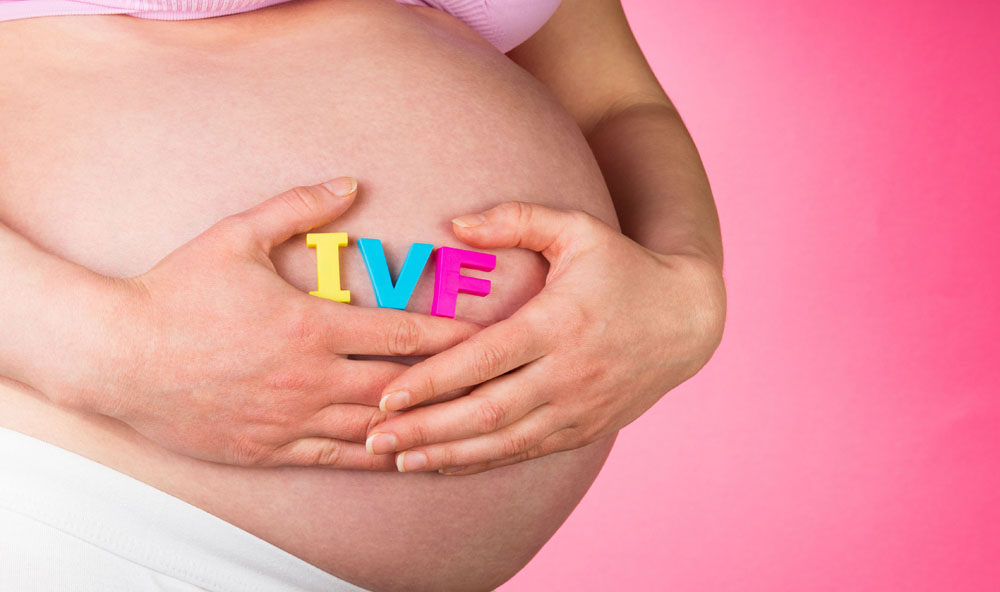
IVF is an assisted reproductive technique that helps eggs and sperm fertilise in a laboratory, with the aim of establishing a pregnancy through embryo transfer.
What Is IVF Treatment?
In vitro fertilisation involves several stages, beginning with an assessment of fertility and the preparation of the ovaries for egg retrieval. The collected eggs are fertilised with sperm in a laboratory, and the resulting embryos are monitored for development.
A suitable embryo may then be transferred into the uterus. In some situations, embryos may be frozen for potential future use.
The process varies depending on age, ovarian response, sperm health, previous fertility treatment, and other medical factors. A fertility specialist will explain the recommended protocol before treatment begins.
Who May Benefit from IVF?
IVF may be recommended when certain fertility problems make natural conception difficult or when other treatments have not been successful.
You may be advised to consider IVF if you have:
-
Blocked or significantly damaged fallopian tubes.
-
Certain male-factor fertility problems.
-
Endometriosis affecting fertility.
-
Ovulation-related difficulties requiring assisted treatment.
-
Unexplained infertility after an appropriate evaluation.
-
Previous unsuccessful fertility treatments.
-
Age-related fertility concerns requiring an individualised approach.
Not everyone experiencing infertility needs IVF immediately. Depending on the diagnosis, medication, ovulation induction, or intrauterine insemination (IUI) may be reasonable alternatives.
What Are the Main Stages of IVF Treatment?
1. Initial Fertility Assessment
Before starting IVF, the specialist reviews medical history, previous pregnancies, menstrual cycles, medications, and earlier fertility treatments.
Tests may include hormonal blood investigations, ultrasound examinations, and semen analysis. Additional tests are recommended when necessary to understand the factors affecting conception.
This assessment helps the doctor plan treatment according to your individual needs.
2. Ovarian Stimulation
Medication is used to stimulate the ovaries to develop multiple eggs. During this stage, ultrasound scans and sometimes blood tests help monitor the response.
The medication and its dosage depend on factors such as age, ovarian reserve, and previous treatment history.
3. Egg Retrieval and Fertilisation
When the eggs are ready, they are collected through a procedure performed under appropriate medical supervision. The eggs are then fertilised with sperm in a laboratory.
In selected cases, intracytoplasmic sperm injection (ICSI), a technique in which a single sperm is injected into an egg, may be recommended.
4. Embryo Development and Transfer
The resulting embryos are monitored in the laboratory. If an embryo is suitable for transfer, the specialist places it into the uterus using an appropriate procedure.
Depending on the clinical circumstances, a fresh or frozen embryo transfer may be recommended.
5. Pregnancy Testing and Follow-Up
A pregnancy test is performed at the time advised by the fertility team. If pregnancy occurs, further monitoring helps assess its progress and determine the next steps in care.
If the treatment does not result in pregnancy, your specialist can review the cycle and discuss whether any changes or alternative options may be appropriate.
How to Choose an IVF Centre in Paschim Vihar
Choosing a fertility provider requires careful consideration. When looking for IVF treatment in Paschim Vihar, focus on medical expertise, transparency, and the quality of care rather than promotional claims alone.
Consider the following factors:
-
Qualified specialists: Check the medical qualifications and experience of the fertility team.
-
Laboratory facilities: Ask about the availability and quality standards of the embryology laboratory.
-
Individualised care: Treatment recommendations should reflect your diagnosis and reproductive goals.
-
Transparent pricing: Request a breakdown of consultation fees, medicines, procedures, and additional charges.
-
Clear communication: Understand the risks, benefits, and alternatives before consenting to treatment.
-
Realistic success rates: Ask how outcomes vary according to age and individual medical circumstances.
No fertility centre can guarantee a successful pregnancy. Outcomes depend on several factors, including age, egg and sperm quality, embryo development, and underlying medical conditions.
Why Early Fertility Assessment Matters
Many couples wait before seeking professional advice because they hope conception will happen naturally. However, an evaluation can help identify conditions that may benefit from treatment.
For example, a woman with irregular menstrual cycles may have difficulty ovulating consistently. After investigating the cause, a fertility specialist can discuss suitable options, which may include medication or IVF depending on the findings and other fertility factors.
Early assessment does not mean you must begin IVF immediately. It helps you understand the available choices and plan your next steps with greater clarity.
Begin Your Fertility Journey with Informed Decisions
If you are exploring IVF treatment in Paschim Vihar, consider scheduling a consultation with a qualified fertility specialist. Discuss your medical history, previous investigations, expected costs, treatment timeline, and possible alternatives before deciding on a plan.
Fertility treatment can be physically and emotionally demanding, so clear information and appropriate support are important throughout the process. A personalised approach can help you understand what to expect and make decisions that suit your circumstances.
Frequently Asked Questions
1. How long does IVF treatment take?
An IVF cycle commonly takes several weeks, although preliminary testing, preparation, frozen embryo transfer, and follow-up may extend the overall timeline.
2. Is IVF painful?
Some stages, including ovarian stimulation and egg retrieval, may cause discomfort. Egg retrieval is generally performed with appropriate pain relief or sedation. Your specialist can explain the procedure and its possible side effects.
3. What affects IVF success rates?
Age, ovarian reserve, egg and sperm quality, embryo development, and certain medical conditions can influence outcomes. A fertility specialist can explain the factors most relevant to your situation.
- IVF Treatment in Dwarka
- IVF Treatment in Sector 12 Dwarka
- IVF Treatment in Sector 5 Dwarka
- IVF Treatment in Sector 6 Dwarka


